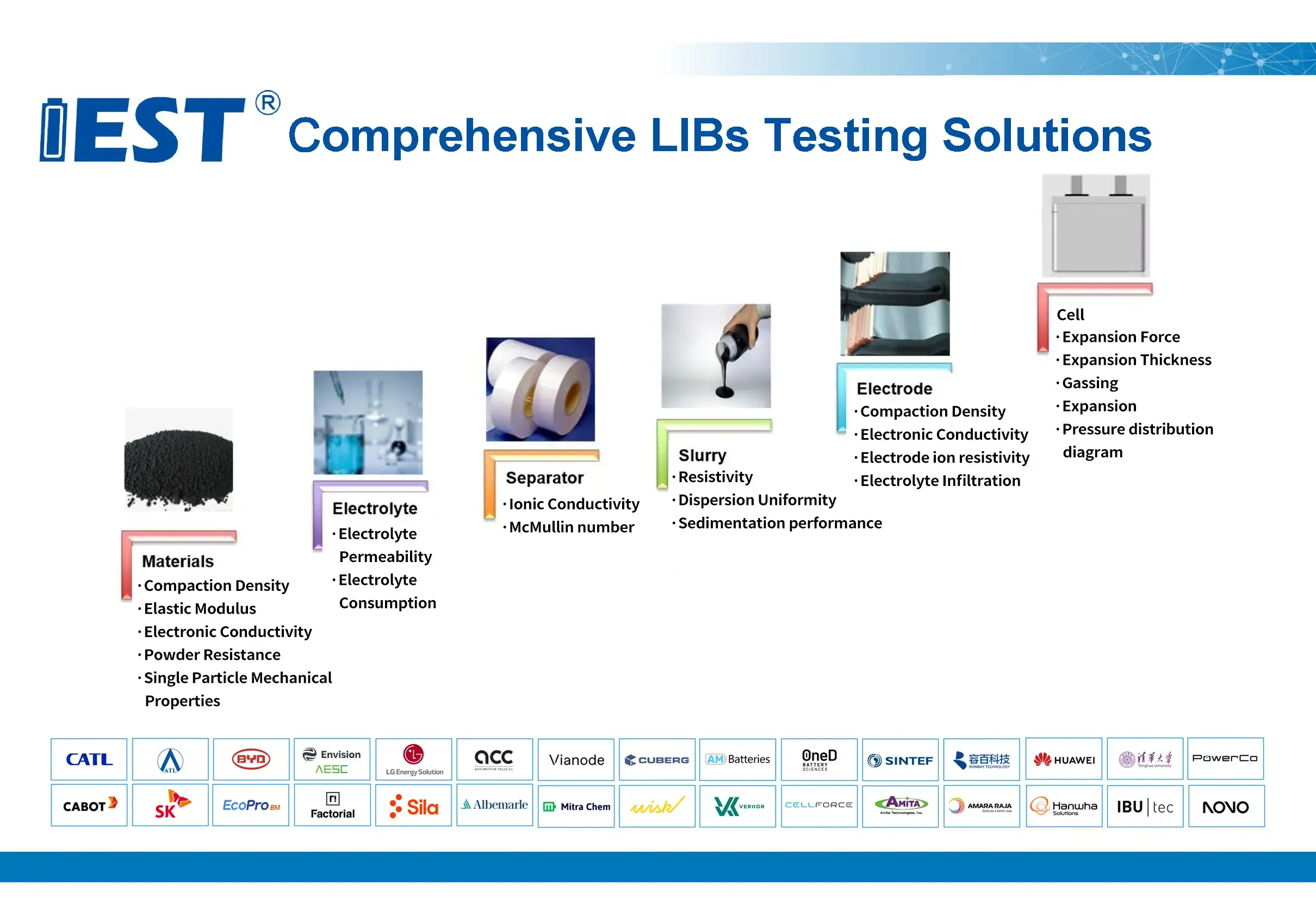
Conventional failure diagnostics, reliant on destructive disassembly and static parameter measurements, face inherent constraints: (1) Irreversible sample damage limits iterative analysis, and (2) Snapshot data fail to capture dynamic degradation trajectories. Electrochemical Impedance Spectroscopy (EIS), with its non-invasive nature and frequency-resolved interrogation capabilities, is now revolutionizing failure analysis as a “digital stethoscope” for battery health assessment.
In forensic investigations of energy storage facility explosions or thermally compromised electric vehicles, “battery system malfunction” is consistently identified as the primary failure trigger. As a sophisticated electrochemical system, lithium-ion battery degradation arises from multiscale physicochemical interactions: electrode material fracture, lithium dendrite propagation from electrolyte breakdown, SEI (Solid Electrolyte Interphase) film instability, and other nanoscale alterations. These processes culminate in macroscopic symptoms such as capacity deterioration, impedance escalation, or thermal runaway.
By applying low-amplitude alternating signals across a broad frequency spectrum (MHz to sub-Hz), EIS deconvolutes electrochemical processes with discrete time constants, functioning as a stratified imaging technique:
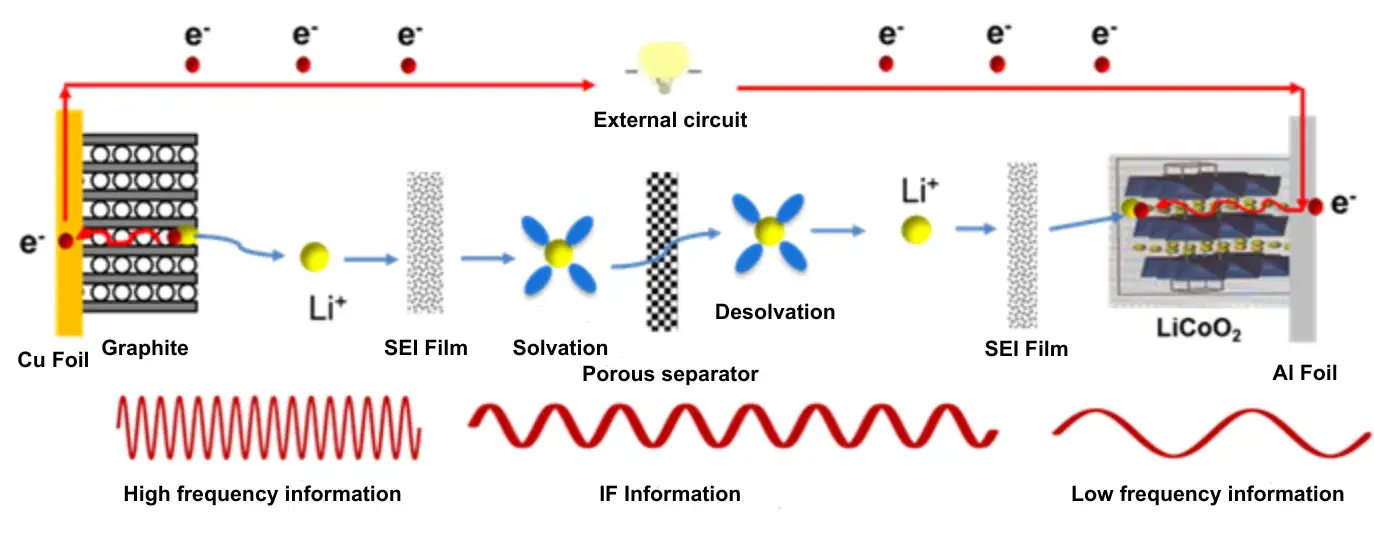
Figure 1. Frequency-resolved electrochemical mechanisms in Li-ion batteries
Through equivalent circuit modeling, abstract semicircle curves in Nyquist plots are quantified into parameters like Rsei (SEI film resistance) and Rct (charge transfer resistance), enabling failure localization. Techniques such as Distribution of Relaxation Times (DRT) further enable rapid visualization. For example, a shortened 45° low-frequency slope in a cycled power battery (see figure) correlated with DRT analysis revealed a doubled lithium-ion diffusion impedance. Post-disassembly, this was traced to graphite layer collapse caused by electrolyte corrosion.
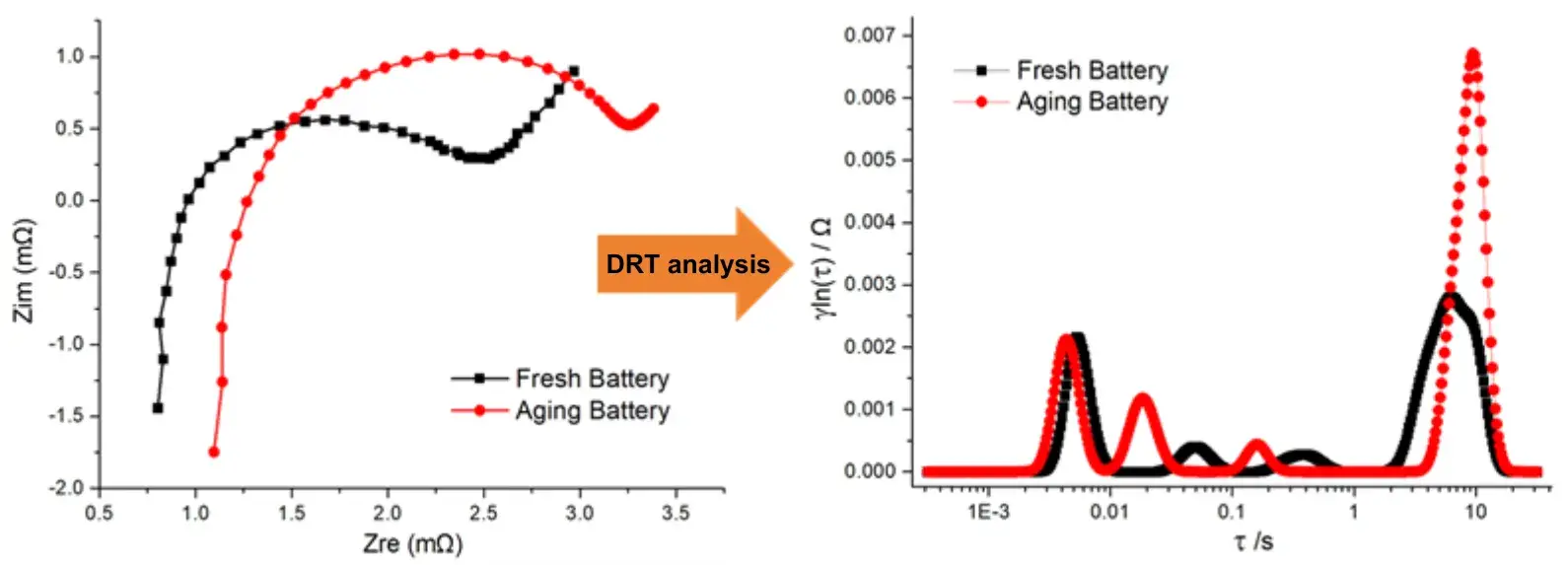
Figure 2. DRT decomposition of impedance spectra for fault localization
Despite extensive academic validation (>12,000 publications), EIS adoption in industrial settings has been constrained by:
The IEST BIT6000 series industrial EIS platform addresses these challenges through three innovations:
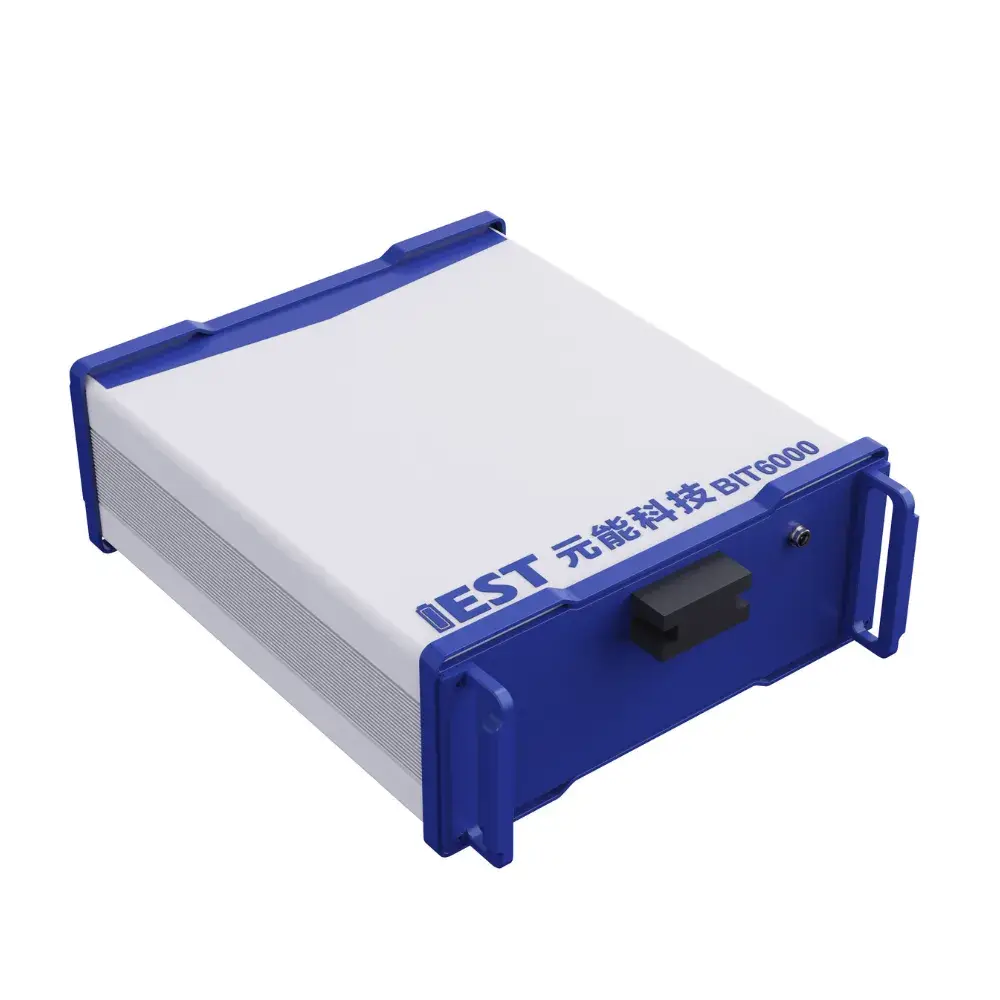
Figure 3. IEST Battery Impedance Tester BIT6000
Modern EIS frameworks are evolving into hybrid diagnostic ecosystems through cross-disciplinary integration:
These converged methodologies are constructing a proactive failure prevention framework, shifting the industry paradigm from post-mortem analysis to design-for-reliability strategies.
As EIS transitions from benchtop instrumentation to smart industrial systems, it is redefining battery quality assurance protocols. Each semicircular feature in a Nyquist plot now serves as a “biometric signature” of latent failure mechanisms. This granular decoding of electrochemical “vital signs” transcends quality control—it represents a foundational safeguard for the operational integrity and regulatory compliance of global energy storage infrastructures.